

Raja Dinkar Kelkar Museum Pune is a museum devoted to a personal collection of objects reflecting everyday life in India. Its galleries range from household utensils and textiles to musical instruments, arms and armour, and the rooms of Mastani Mahal; it is about a 16-minute drive from a hotel in Camp.
- Location: No. 1377/78, Kamal Kunj, Bajirao Road, Natu Baag, Shukrawar Peth, Pune.
- Collection: About 22,000 artifacts.
- Regular hours: Open daily
- Admission: The museum charges different fees for children, adults, and foreign visitors.
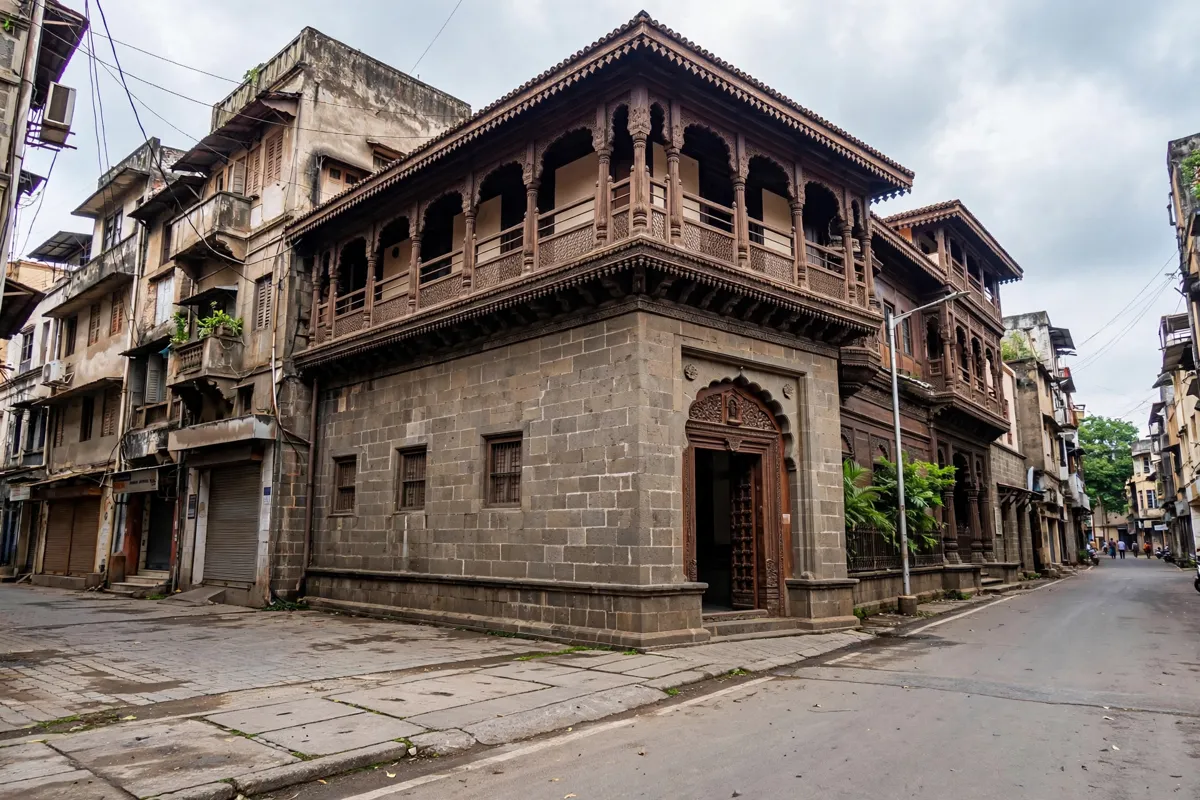
What the museum is known for
Raja Dinkar Kelkar Museum is known for the collection Dr. D.G. Kelkar assembled and dedicated to his son, Raja. Kelkar began collecting around 1920, and the collection was donated to the Government of Maharashtra in 1975.
The museum describes its holdings as about 22,000 artifacts that reflect everyday life in India. Its origin as one person’s collection gives the museum a clear thread: objects from different areas of daily life are brought together under a single, personal undertaking.
The name Raja Dinkar Kelkar Museum honours Kelkar’s son. The dedication is part of the museum’s history, as is the long period of collecting that preceded the donation.
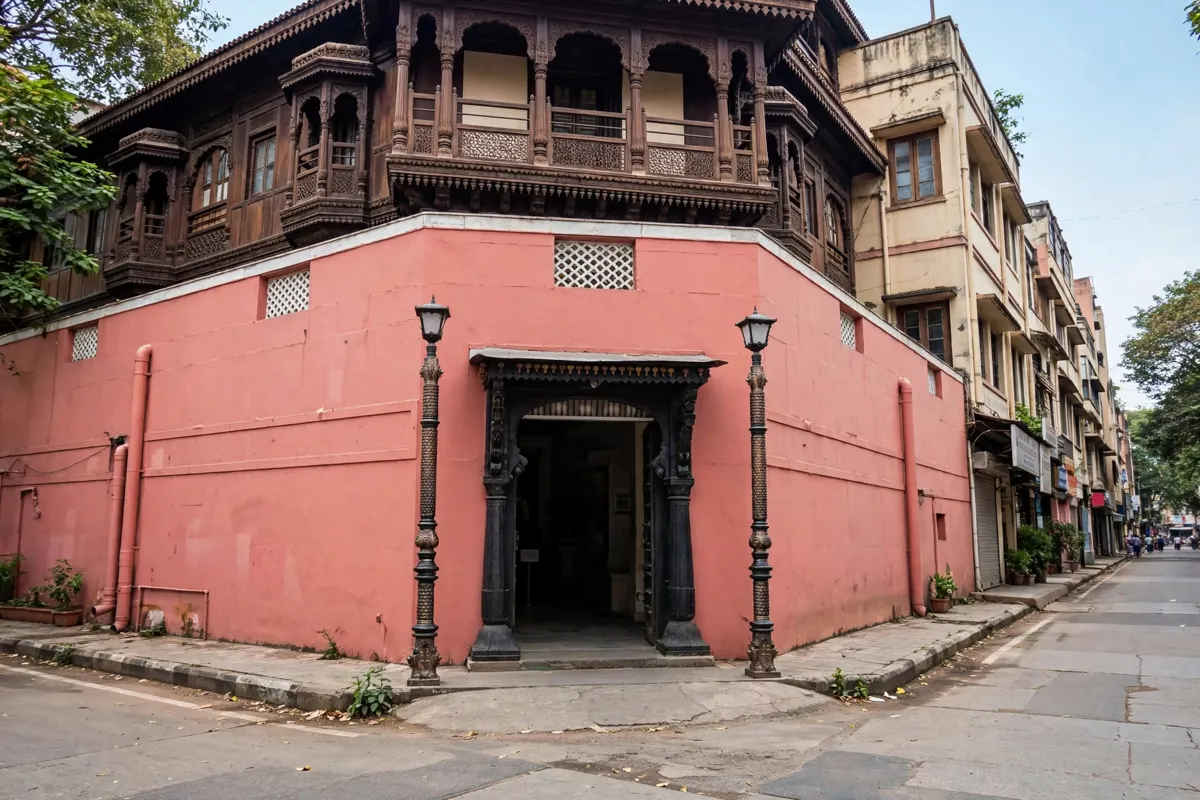
Collections and standout exhibits
The museum’s collection spans galleries and displays covering household objects, crafts, music, writing, and historical objects. That range lets you move from everyday tools to more specialized collections as you browse.
Kitchen utensils, textiles, lamps, and writing implements offer several points of entry into domestic life. Musical instruments, puppets, and tambool objects broaden the collection beyond household furnishings, while ivory and bronzes form other collection categories.
Some named displays include doors, arms and armour, and Mastani Mahal. The variety is the main planning point: rather than expecting one single theme, allow time to take in the different collection areas. The museum’s collection pages give the clearest guide to the galleries and displays available.
How do you get to Raja Dinkar Kelkar Museum?
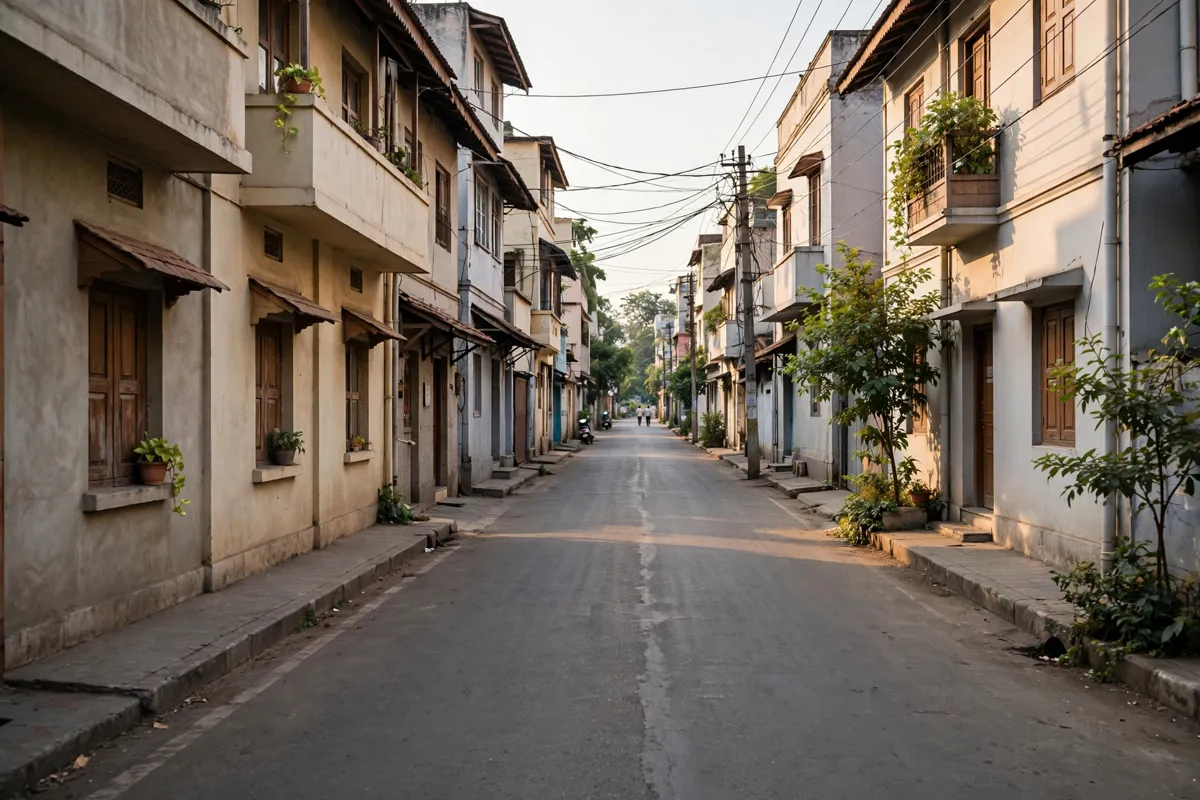
From Hotel Jagannath, the museum takes about 16 minutes by car or 41 minutes on foot. The museum’s address is No. 1377/78, Kamal Kunj, Bajirao Road, Natu Baag, Shukrawar Peth, Pune, Maharashtra 411002.
If you’re using public transport, Shanipar and Abhinav Kala Vidyalaya are nearby bus stops. The museum is 4 km from Pune Railway Station, 12 km from the airport, and 2 km from Swargate bus station.
For a Pune day that includes several stops, nearby places include Sarasbaug, Parvati, Vishrambaug Wada, P. L. Deshpande Japanese Garden, Shaniwar Wada, Laal Mahal, Patalaeshwar Caves, and Dagduseth Halwai Ganesh Temple. A one-day Pune sightseeing route can help you arrange stops beyond the museum.
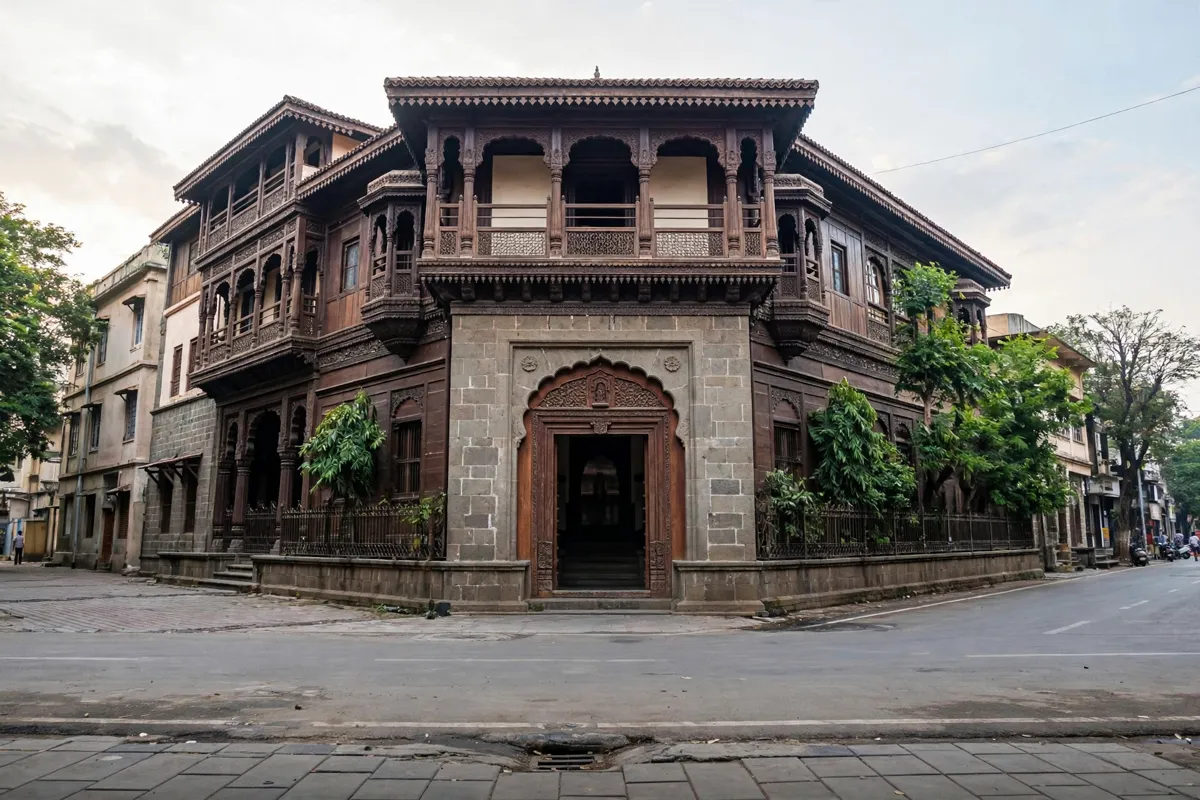
Tickets, hours, and visitor rules
Regular hours are 10:00 a.m. to 5:30 p.m. throughout the year, but timings differ during special festivals such as Diwali. The museum closes on 26 January, 15 August, Anant Chaturdashi, and the following day.
Opening hours
- Monday to Sunday: 10:00–17:30
Last checked November 2026. Hours can change on holidays and for special events.
Admission is ₹50 for children below 12, ₹140 for adults above 12, ₹500 for foreign adults, and ₹100 for foreign children. Entry is free for blind and differently abled or physically challenged visitors.
Since hours and fees can change, check the official site before you go; the museum also advises calling +91 20 24482101 to confirm timings, especially around special festivals.
How to fit the visit into a Pune day
Give the museum the main part of your visit if you want time to browse its varied collections. Begin with the galleries that interest you most, then use the museum’s collection pages to decide what else to see; the categories span household objects, instruments, decorative arts, and historical displays.
You can pair the museum with a nearby place, such as Sarasbaug, Shaniwar Wada, or Dagduseth Halwai Ganesh Temple. For a garden and temple stop, Sarasbaug’s gardens and temple fit naturally into a day built around Pune sights.
Before setting out, confirm the museum’s timings if your visit falls near a special festival. That small check matters because the regular hours do not apply to every festival period.
FAQs
What is Raja Dinkar Kelkar Museum famous for?
It is known for Dr. D.G. Kelkar’s collection of about 22,000 artifacts reflecting everyday life in India, including objects such as textiles, lamps, musical instruments, and doors.
Who founded the museum?
Dr. D.G. Kelkar assembled the collection and dedicated it to the memory of his son Raja. The collection was donated to the Government of Maharashtra in 1975.
What are the museum’s regular opening hours?
Open daily. Timings differ during special festivals, so confirm them before a visit.
Are tickets free for some visitors?
Yes. Entry is free for blind and differently abled or physically challenged visitors. Other admission fees vary by age and visitor category.